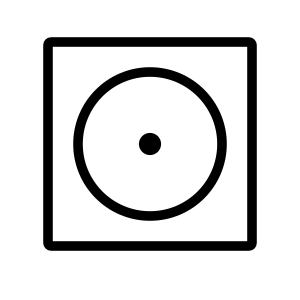
01 / HOW TO IDENTIFY IT
Match the shape, not just the words.
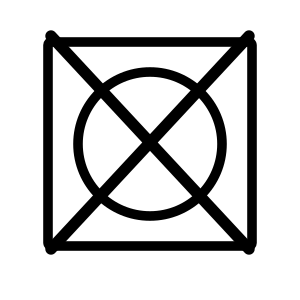
Look for a square enclosing a circle. Dots indicate dryer heat; a diagonal cross prohibits the machine tumble-drying process.
One dot inside the circle-in-square is the low-temperature tumble-drying symbol. It asks for less thermal action than the two-dot normal setting.
02 / WHAT TO DO
The practical decision.
Use a compatible low-heat program and avoid assuming that every device’s “delicate” setting uses the same measured exhaust-air temperature. Stop if the finished garment instructions are more restrictive.
Excess dryer heat can shrink, distort or weaken sensitive materials.
03 / WHAT PEOPLE CONFUSE
One small detail changes the meaning.
A crossed drum means no tumble drying at all; one dot is permission for a restricted dryer process.

04 / AFTER YOU IDENTIFY IT
Check the rest of the tag.
The washing, bleaching, drying, ironing and professional-care instructions work together. This page interprets one symbol only; a blank or unreadable mark does not grant permission for any other treatment.
Never replace the maker’s written instructions with a guess based only on material composition or appearance. Read the complete care-label method.