01 / HOW TO IDENTIFY IT
Match the shape, not just the words.
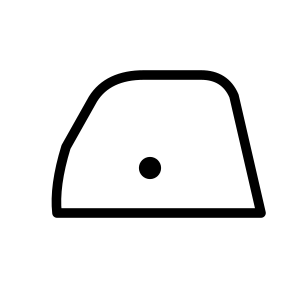
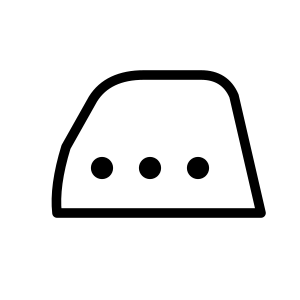
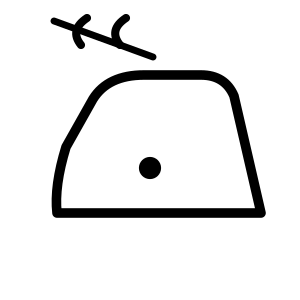
Look for the hand-iron silhouette. Dots set temperature levels; a crossed iron forbids hot ironing. Some current marks add an explicit steam restriction.
One dot on an iron means a low soleplate-temperature limit of 120°C in the ISO 2023 public reference. This differs from older charts that often printed 110°C.
02 / WHAT TO DO
The practical decision.
Use a pressing cloth for pressure-sensitive finishes where appropriate. Steam may damage some articles at this setting, so read the written care instructions carefully.
A hotter iron can scorch, glaze, melt or mark fibres and finishes.
03 / WHAT PEOPLE CONFUSE
One small detail changes the meaning.
Two dots allow a higher temperature; a crossed iron does not allow ironing at any temperature.

04 / AFTER YOU IDENTIFY IT
Check the rest of the tag.
The washing, bleaching, drying, ironing and professional-care instructions work together. This page interprets one symbol only; a blank or unreadable mark does not grant permission for any other treatment.
Never replace the maker’s written instructions with a guess based only on material composition or appearance. Read the complete care-label method.